December 1, 2025
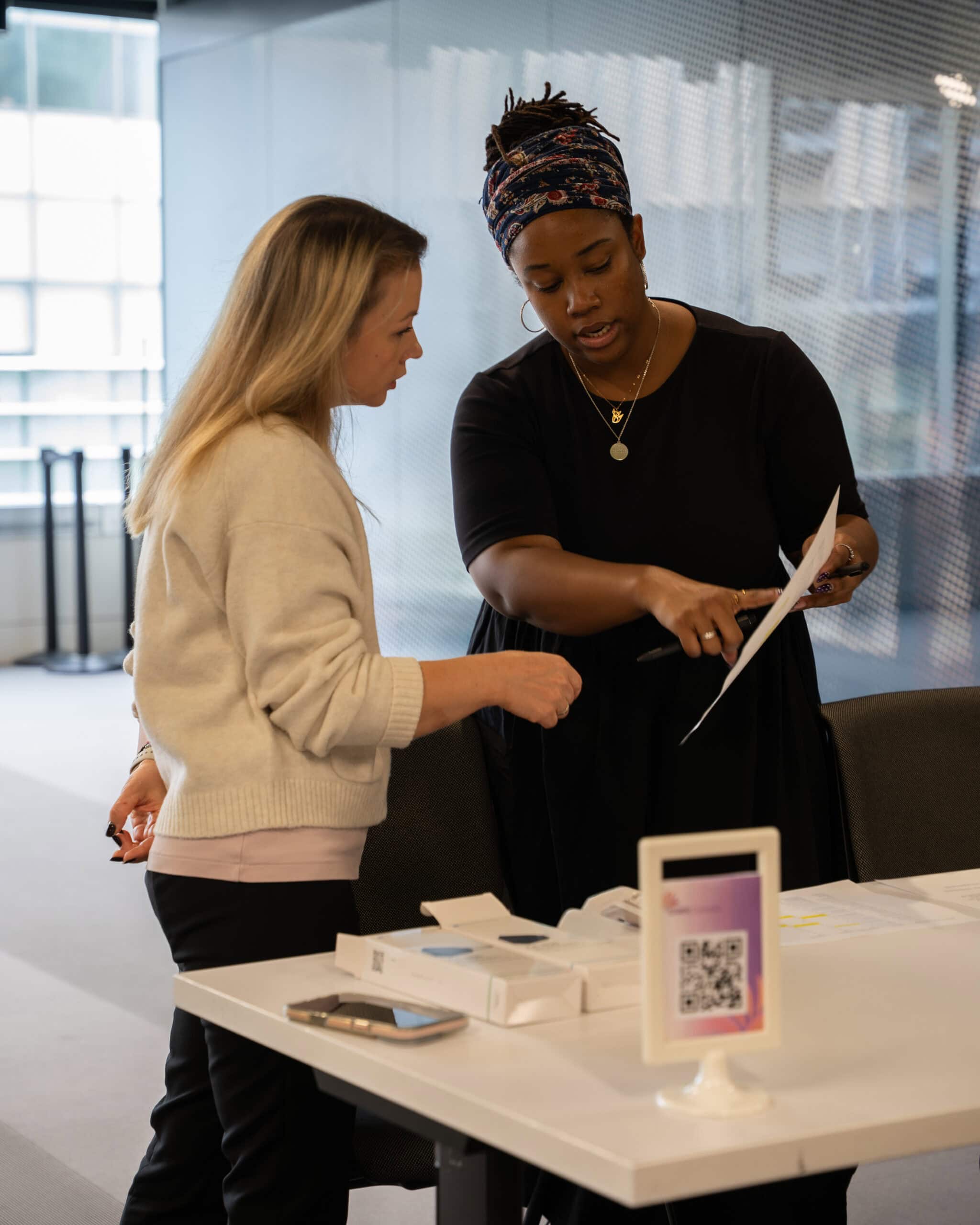
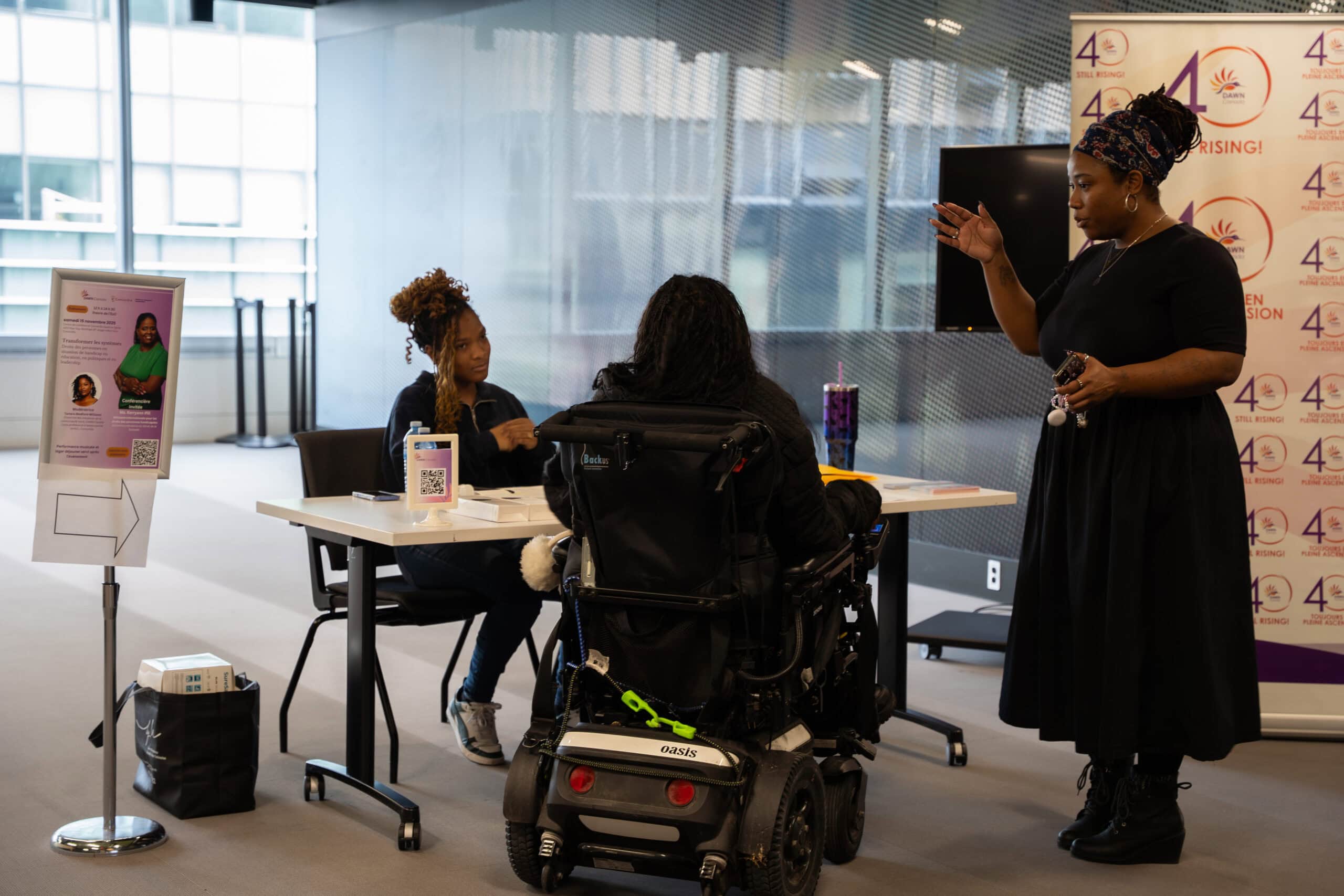
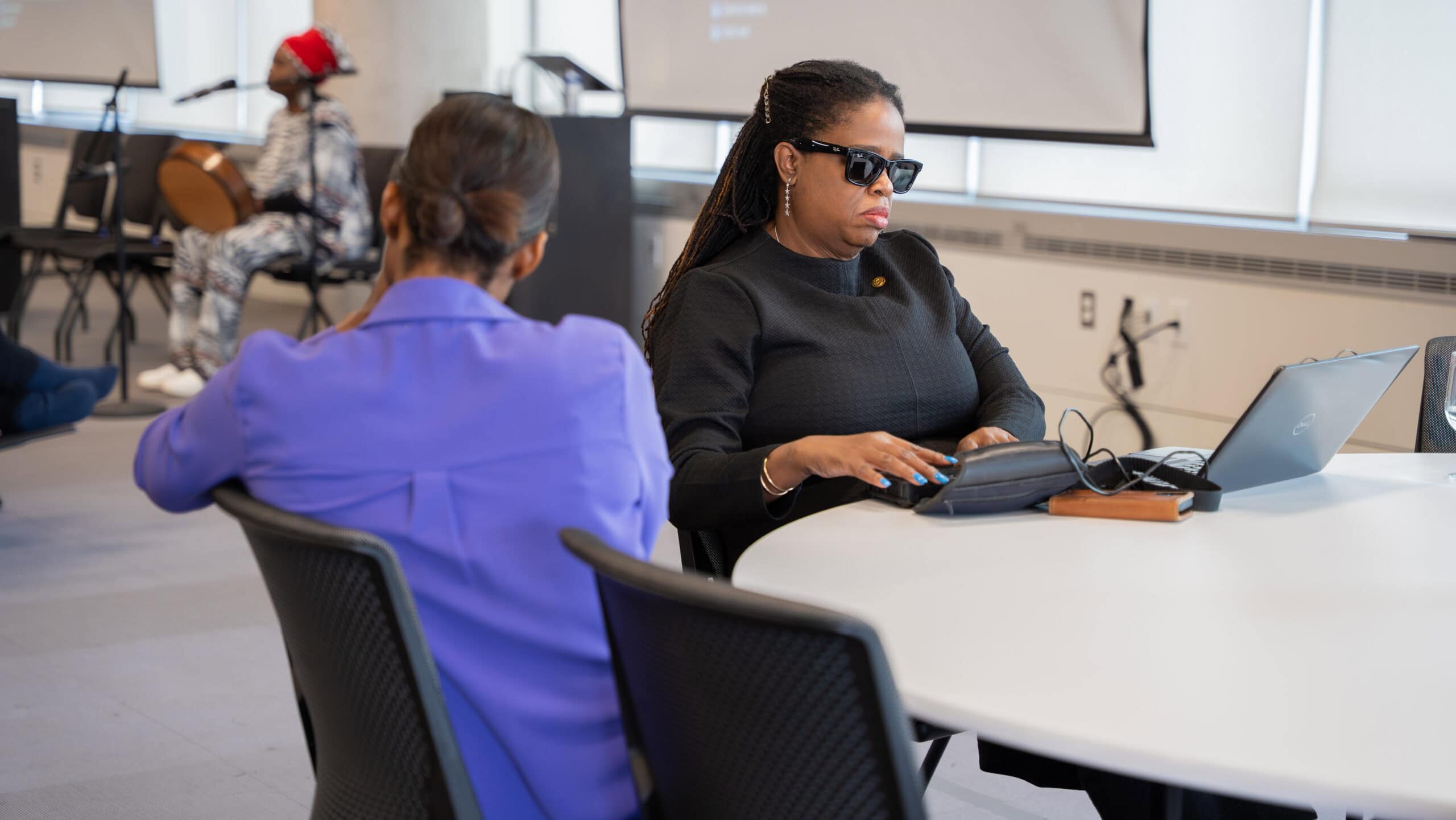
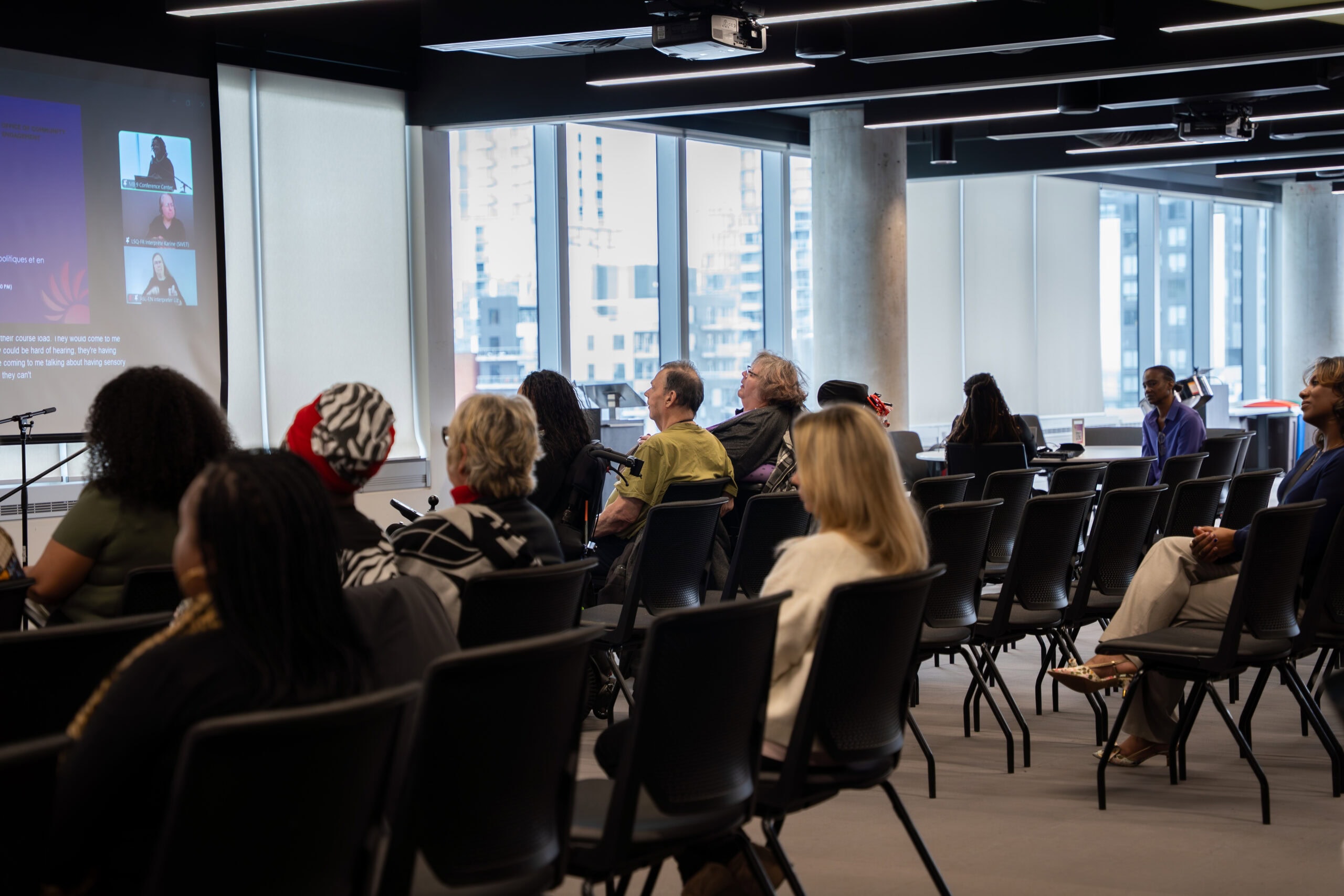
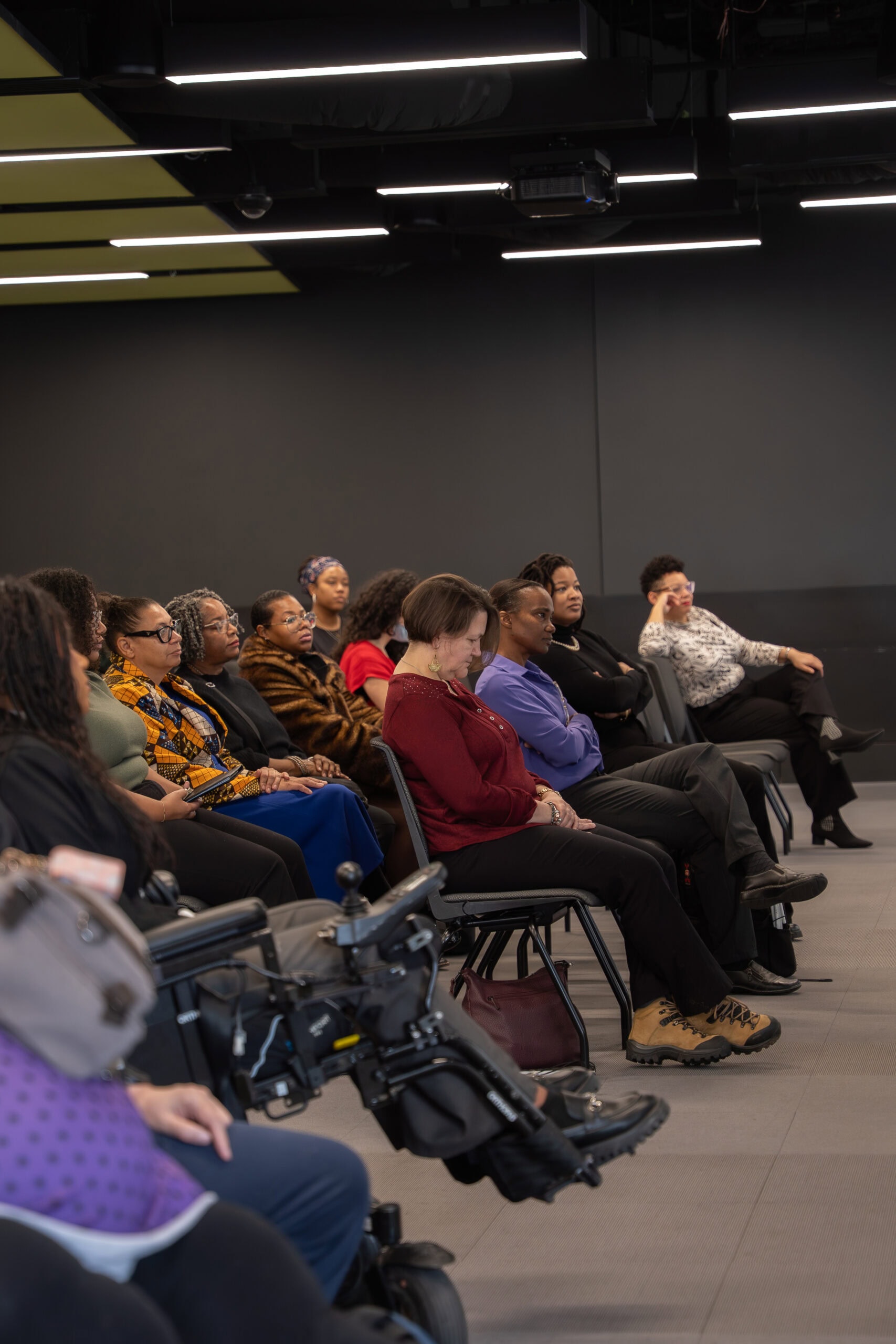
An inspiring afternoon unfolded at the recent Transforming Systems: Disability Rights in Education, Policy, and Leadership event, presented by DAWN Canada in collaboration with Concordia’s Office of Engagement. Organized and moderated by Tamara Angeline Medford Williams, Director of Black Community Initiatives, the gathering brought together eager minds to explore disability justice and Black leadership as pathways to shaping inclusive futures.
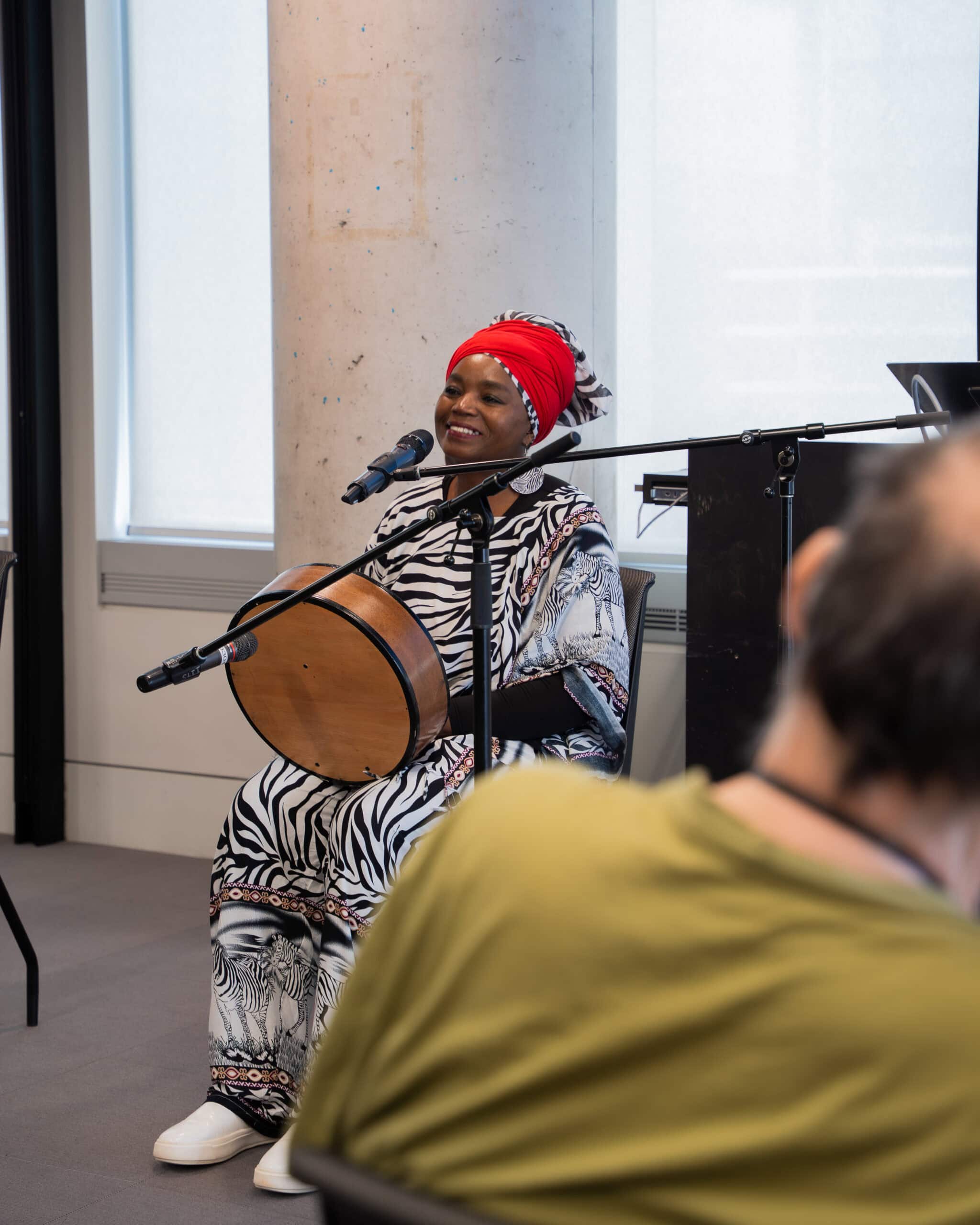
The event commenced with the grounding melodies of the mbira, performed by Francisca Mandeya, a gwenyambira, storyteller, and award-winning social justice advocate. Her music set the tone for reflection and renewal, preparing the audience for the transformative discussions ahead.
The keynote address was delivered by Kerryann Ifill, a trailblazing global leader, educator, and former President of the Senate of Barbados, the first woman and first person with a disability to hold the role. With conviction, she emphasized the importance of inclusive leadership and systemic change. Kerryann shared actionable strategies for creating structures that empower disabled individuals to fully participate in community and civic life, advocating for policies that protect rights and expand access.
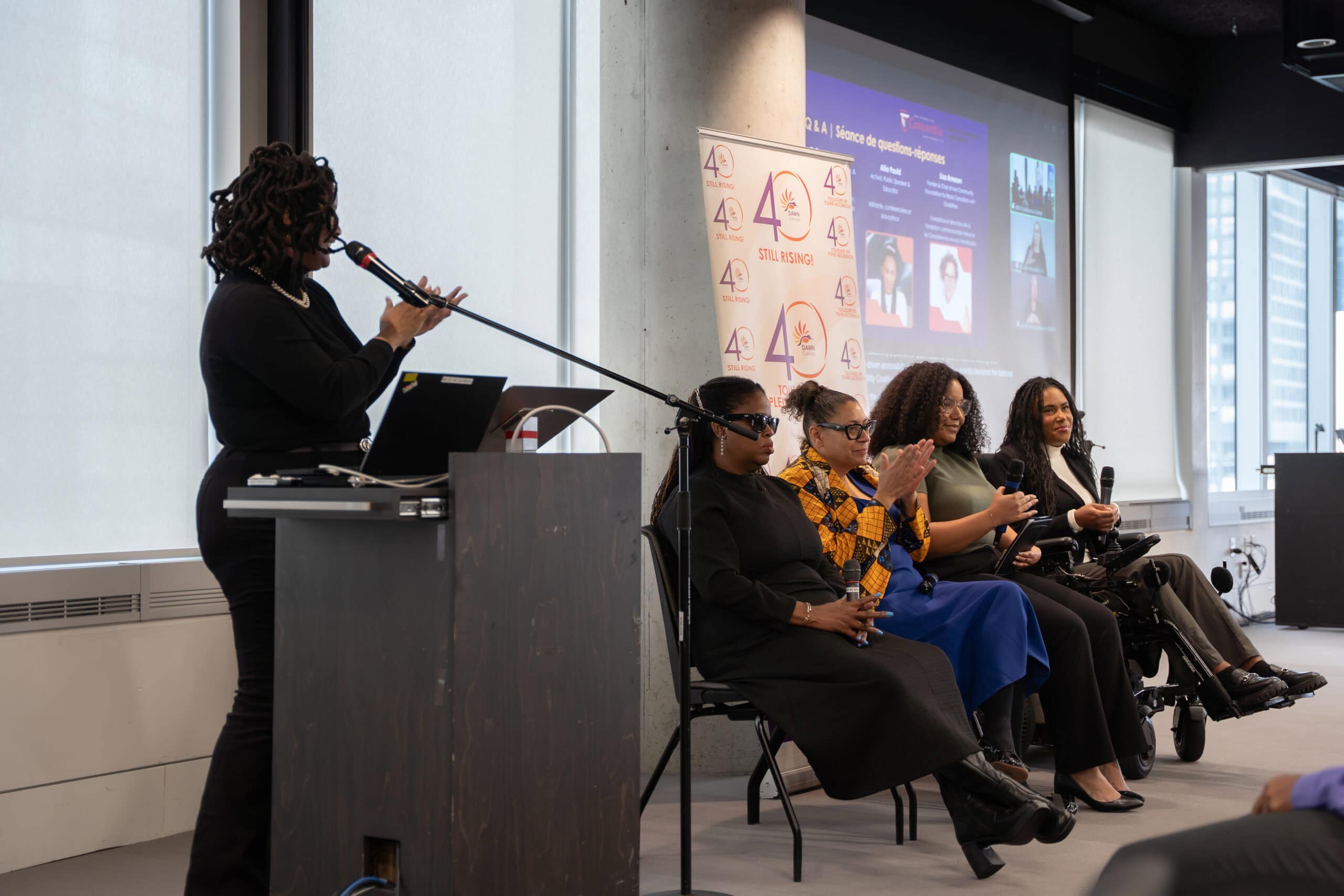
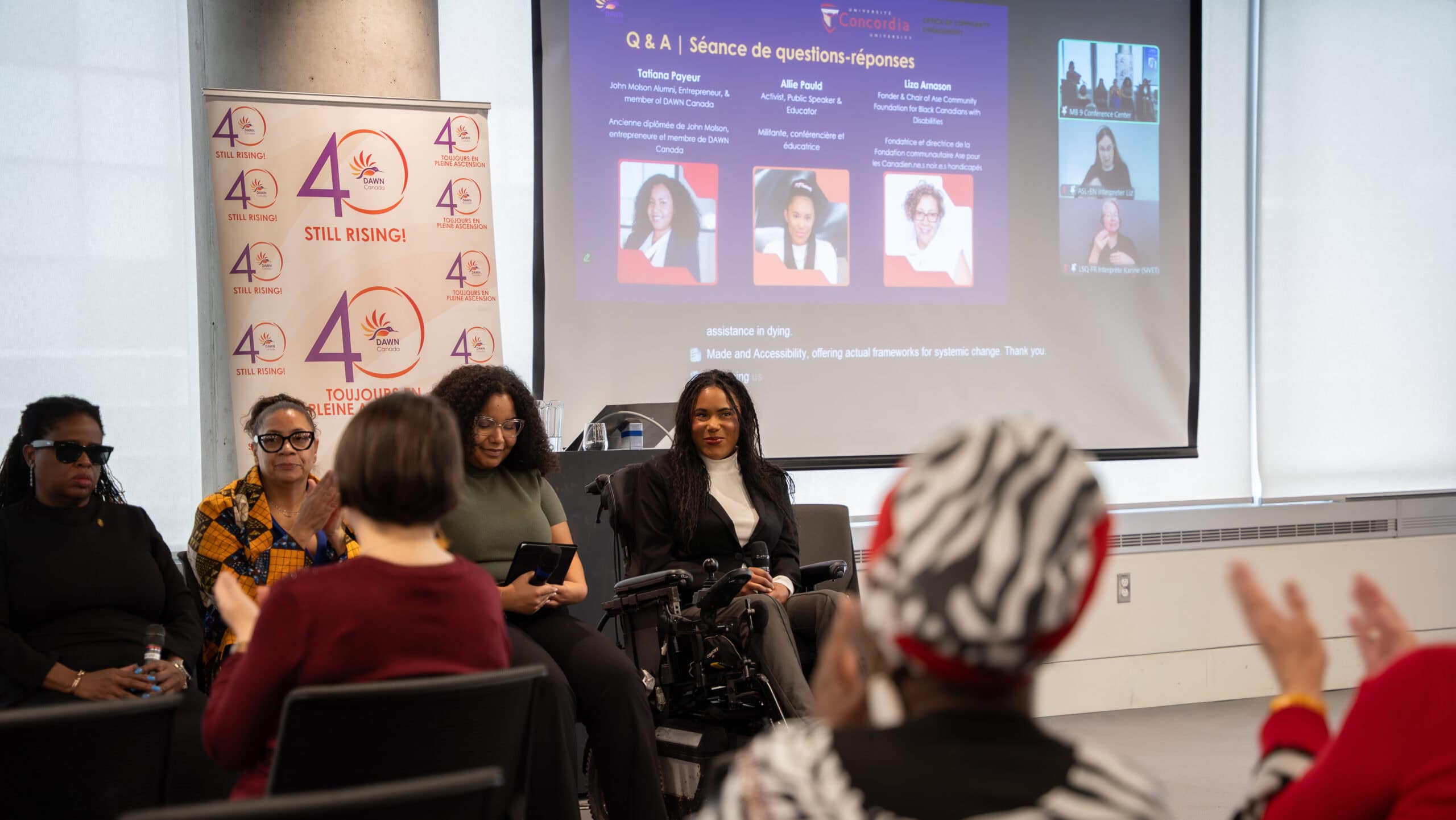
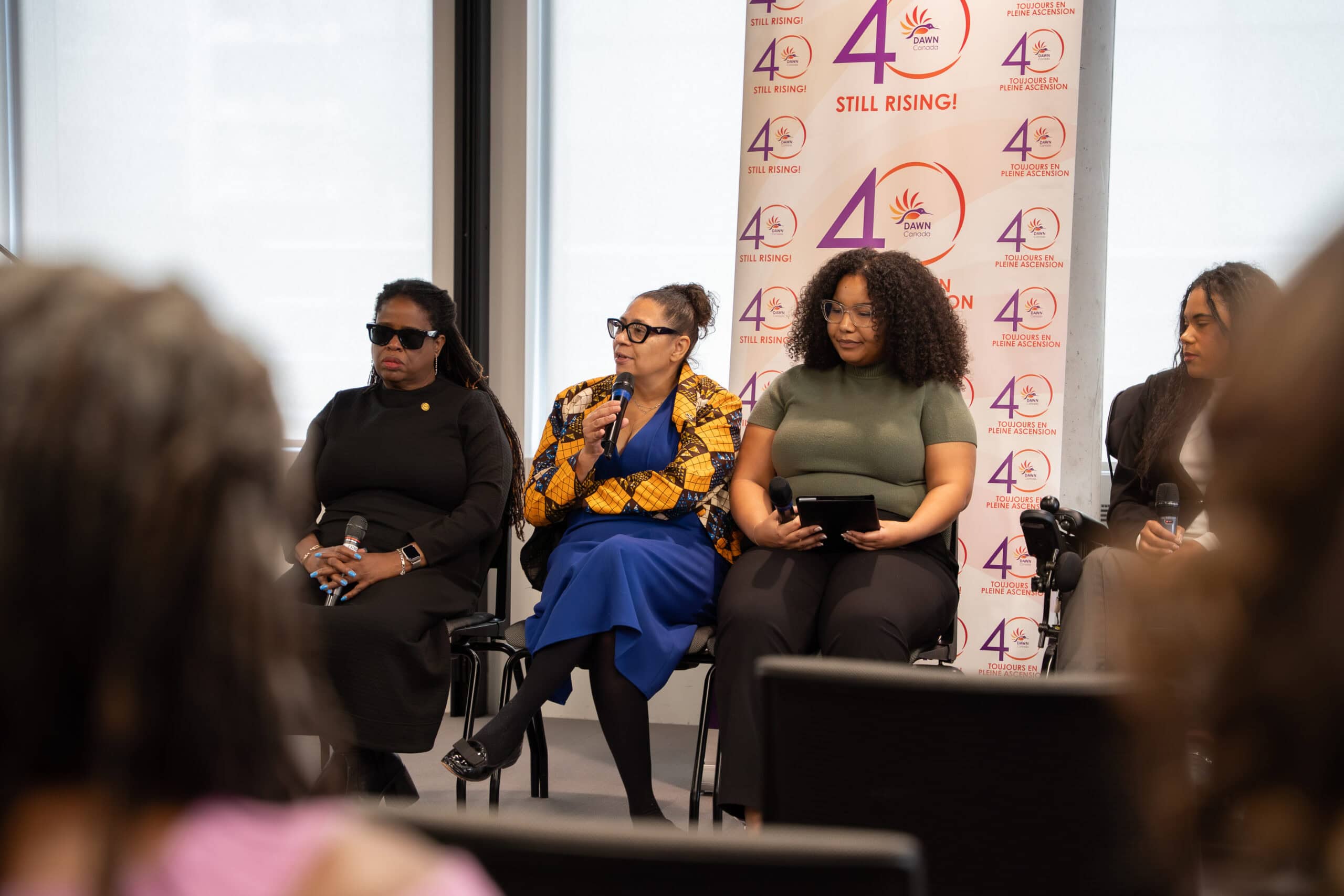
Following the keynote, a dynamic panel featured four presenters whose lived experiences and expertise spanned advocacy, finance, culture, education, and governance:
- Liza Arnason, Founder and Chair of the Ase Community Foundation for Black Canadians with Disabilities, highlighted the urgent need for culturally grounded supports and community-led accessibility frameworks.
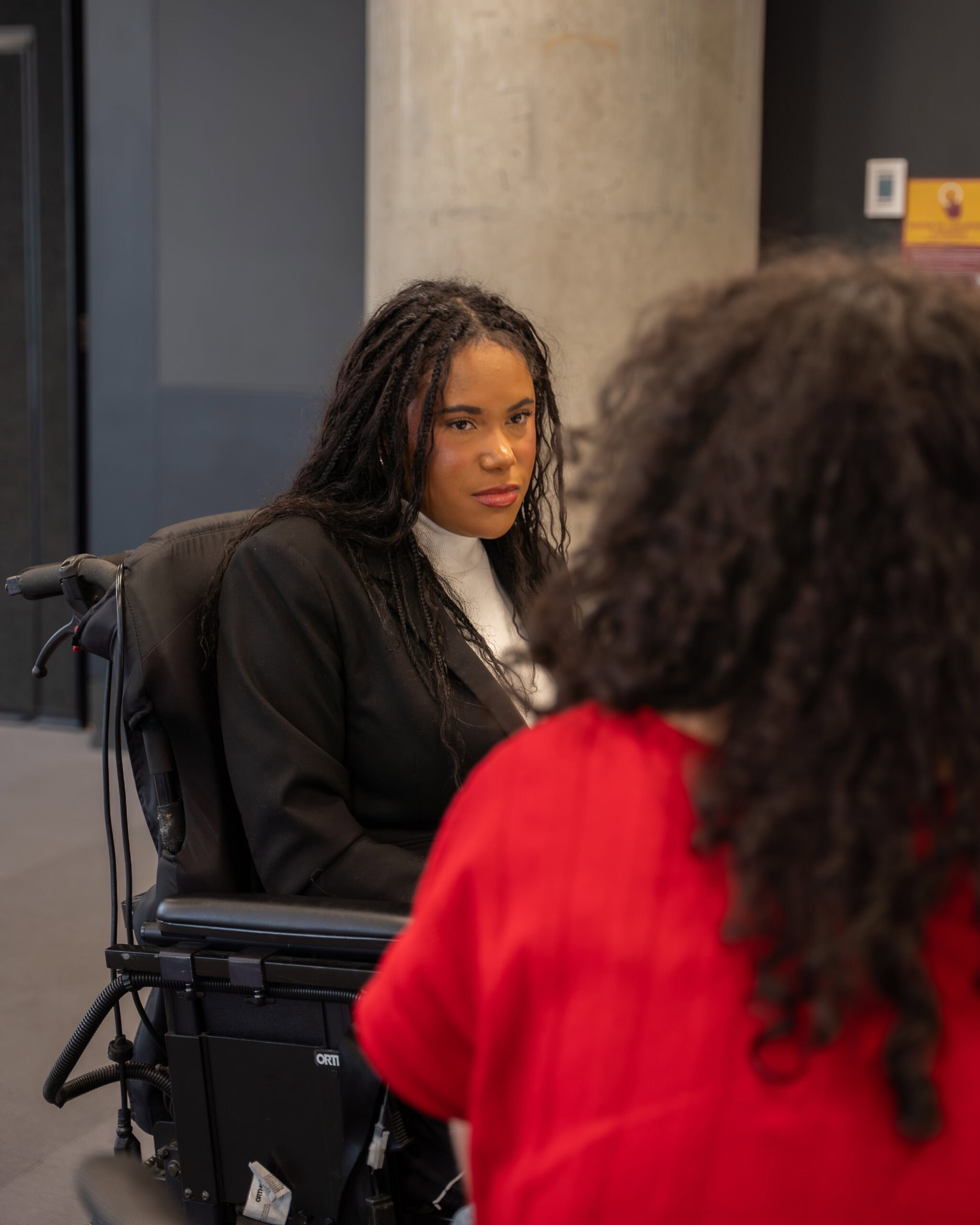
- Tatiana Payeur, Afro-Indigenous accountant, entrepreneur, and Concordia alumna, shared her personal journey as a survivor of a birth injury. She shed light on systemic barriers disabled individuals face when accessing financial resources, benefits, and essential services.
- Alicia Ann “Allie” Pauld, educator, activist, and prominent disability and MAID advocate, energized the audience with her bold insights into the intersections of disability, race, gender, and sexuality. She called for redesigning policies, classrooms, workplaces, and community spaces to foster environments where disabled individuals can thrive rather than merely survive.
The afternoon concluded with a vibrant musical performance by international steelpan artist Fatima Wilson. Rooted in her family’s tradition of preserving Trinidad and Tobago’s steelpan culture, her performance celebrated resilience and cultural heritage.
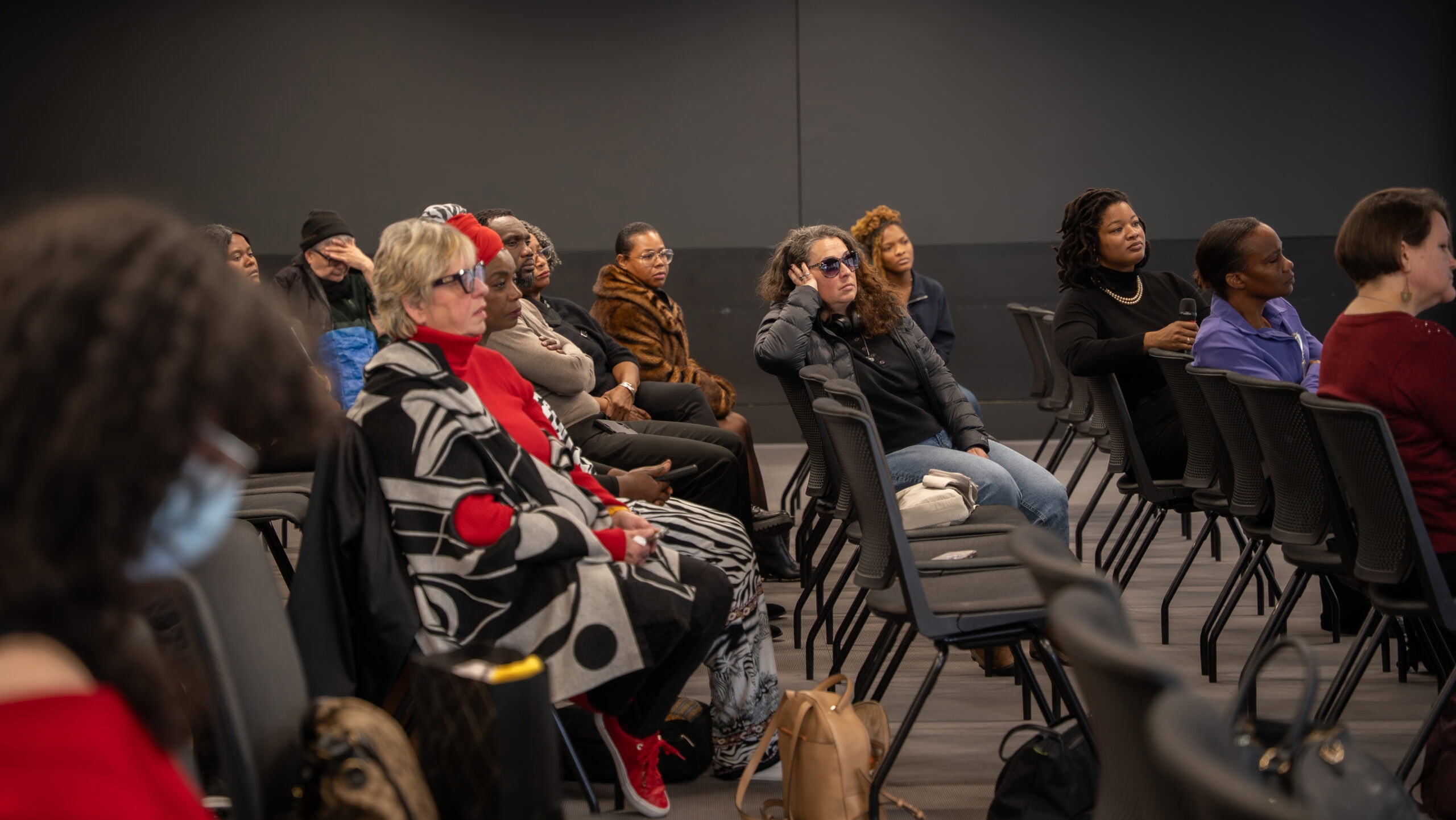
Through engaging conversations and reflections, attendees were reminded that disability justice is multifaceted, encompassing cultural, political, economic, and personal dimensions. Centering Black disabled leadership is crucial to building futures that are safer, freer, and more inclusive for all.